
What ‘Get Ready With Me’ videos are actually delivering
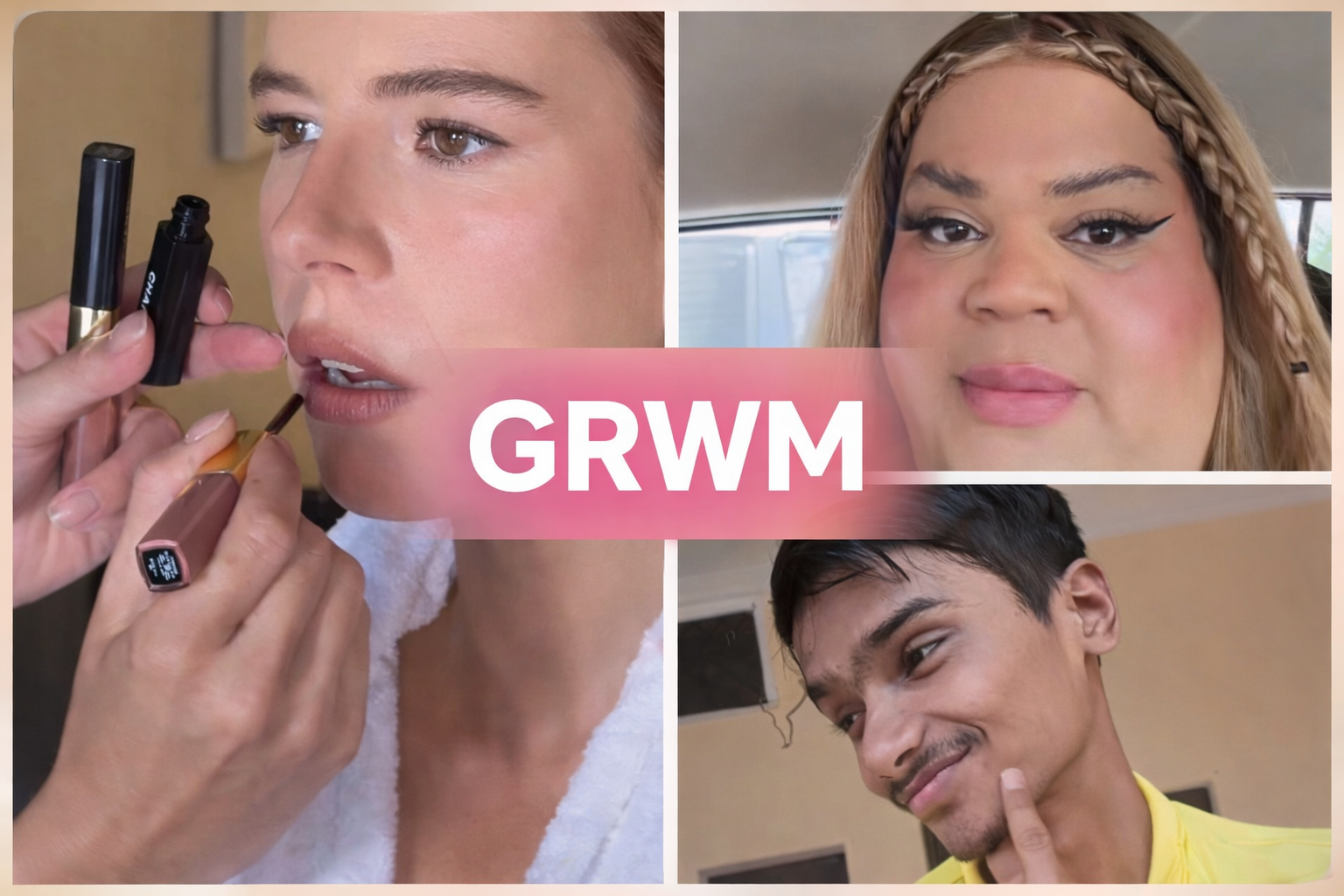
A person, bare-faced, looks into the camera. As they tell you a story, they conduct the ritual. First, comes the cleanser, then the moisturiser, then the foundation- sometimes it is generous and changes the contours of a face and other times, it is sparing, just a touch here and there making a subtle difference.
Sometimes the person is a celebrity using an expensive product or getting ready for an award function. Sometimes, it is a Blinkit delivery driver, showing off his bright yellow delivery shirt.
I don’t know about you, but I find I often linger on these ‘Get Ready With Me’ (GRWM) videos, even the overly performative ones. I’m not alone and I’m certainly not the first person to wonder why this is one of the internet’s most persistently popular genres. Vogue has said they’re comforting. Others argue they offer a sense of connection in a lonely world. Reddit threads dissect why anyone would ever watch a stranger get ready.
I think there is a deeper psychological reason. GRWM videos show us self-assembly in real time. They illustrate, step by step, how we close the gap between who we are and how we want the world to see us.
We are all performing our own private GRWMs, all day long. We aren’t born ready, and we seldom wake up ready. The self is not something we simply are; it is something we do — a point made long ago by the psychologist William James, whose work on the construction of the self still feels startlingly modern.
We get ready and construct the face and persona required to meet the roles we are about to fulfil. First this, then that: an action, a thought, a small adjustment, and somehow a personality is constructed and held together. Not as a fixed essence, but as an ongoing process, renewed each day through ritual and repetition.
These videos show us that the self is not as fixed as we think it is. Reinvention is possible, and we can actively participate in creating new versions of ourselves. We too can be demure, or mindful or “look like a wow.” It’s why people could not get enough of these memes and they continue to reverberate around the world.
Appearance plays an outsized role because it is one of the fastest ways to recalibrate the self. Wearing clothes that fit well, grooming the face, or striking a pose, each of these small moves can have a profound psychological effect.
I experienced this as a cancer survivor. The small acts of drawing my eyebrows, covering up my bald head with a wig and passing for normal, made me believe in the temporary nature of my illness. It allowed me to occupy a feeling of normalcy when I needed it most.
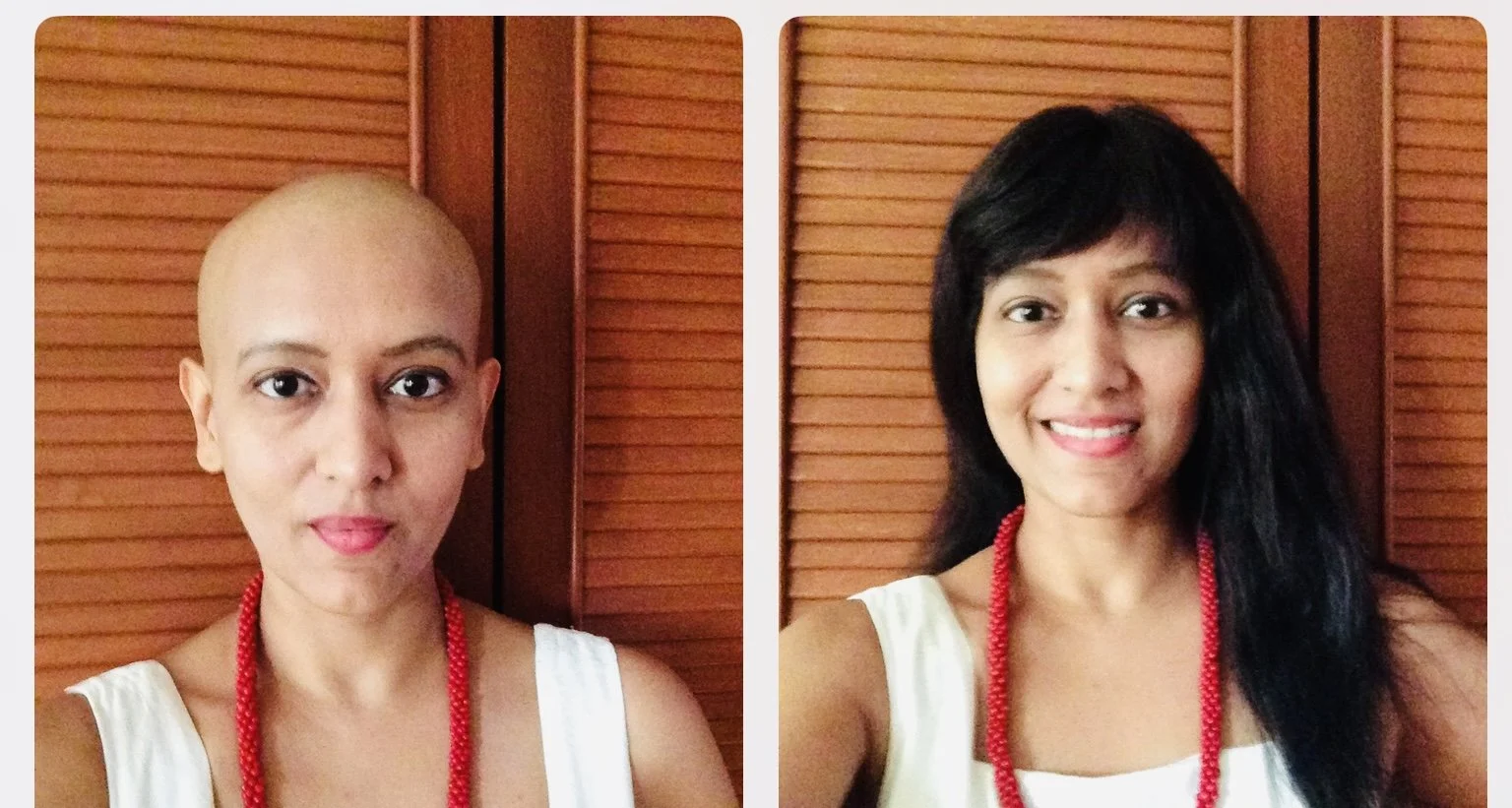
A bald woman shows how a wig changes her appearance
Research backs this up. The concept, which is called ‘enclothed cognition’ shows that what we wear doesn’t just signal identity outwardly, but subtly alters how we feel and behave. GRWM videos dramatise this process without explaining it.
This is partly why watching others “get ready” feels regulating. The sequence is predictable. The pace is deliberate. There is no demand on you to change, only an open invitation to participate in someone else’s ritual of preparation.
Through these snippets from strangers, we start to see that becoming presentable, coherent, and ready is an ongoing practice. We are not alone in our preparations; we are all getting ready together.
Deliverables
